ARR: Afforestation, Reforestation, and Revegetation
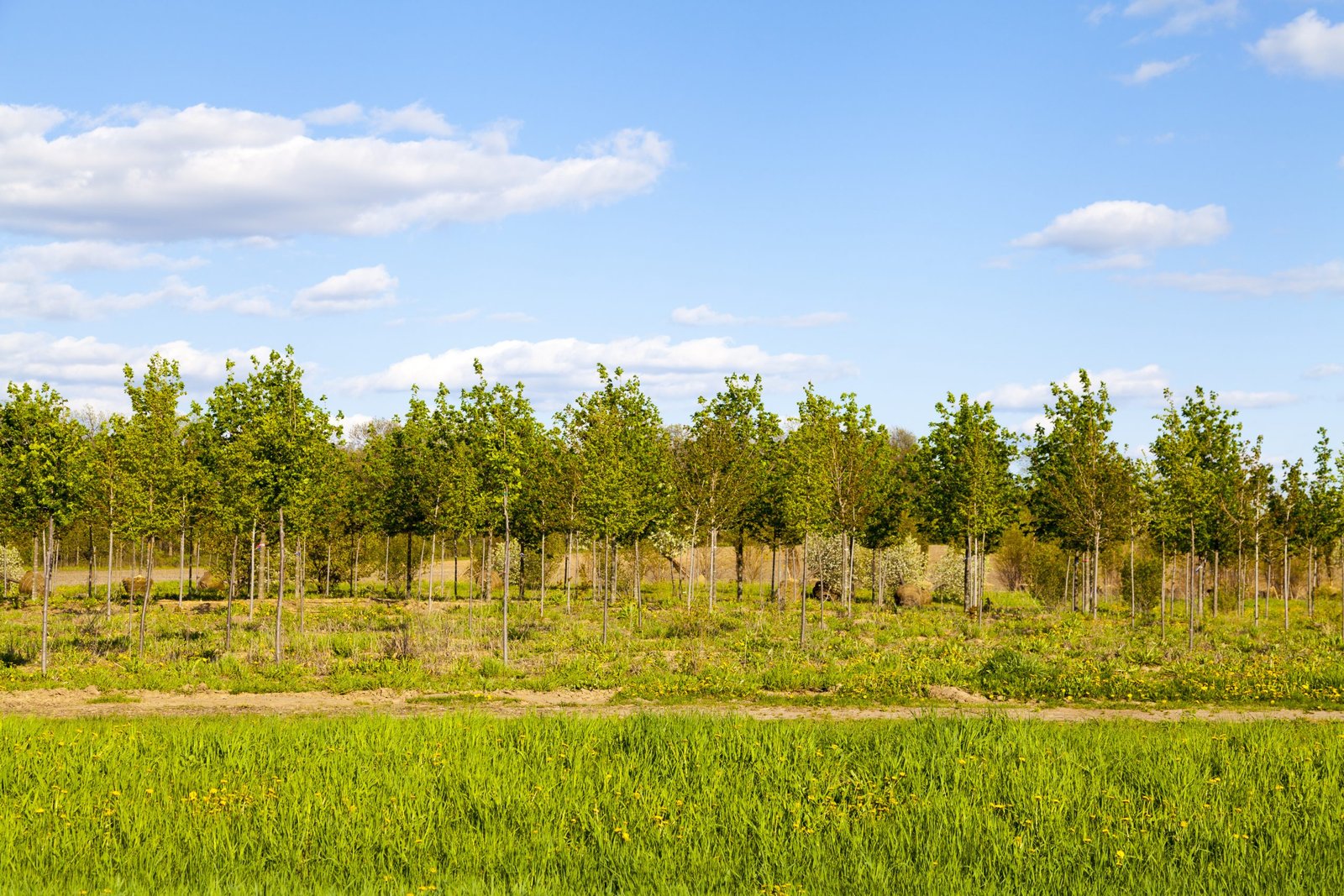
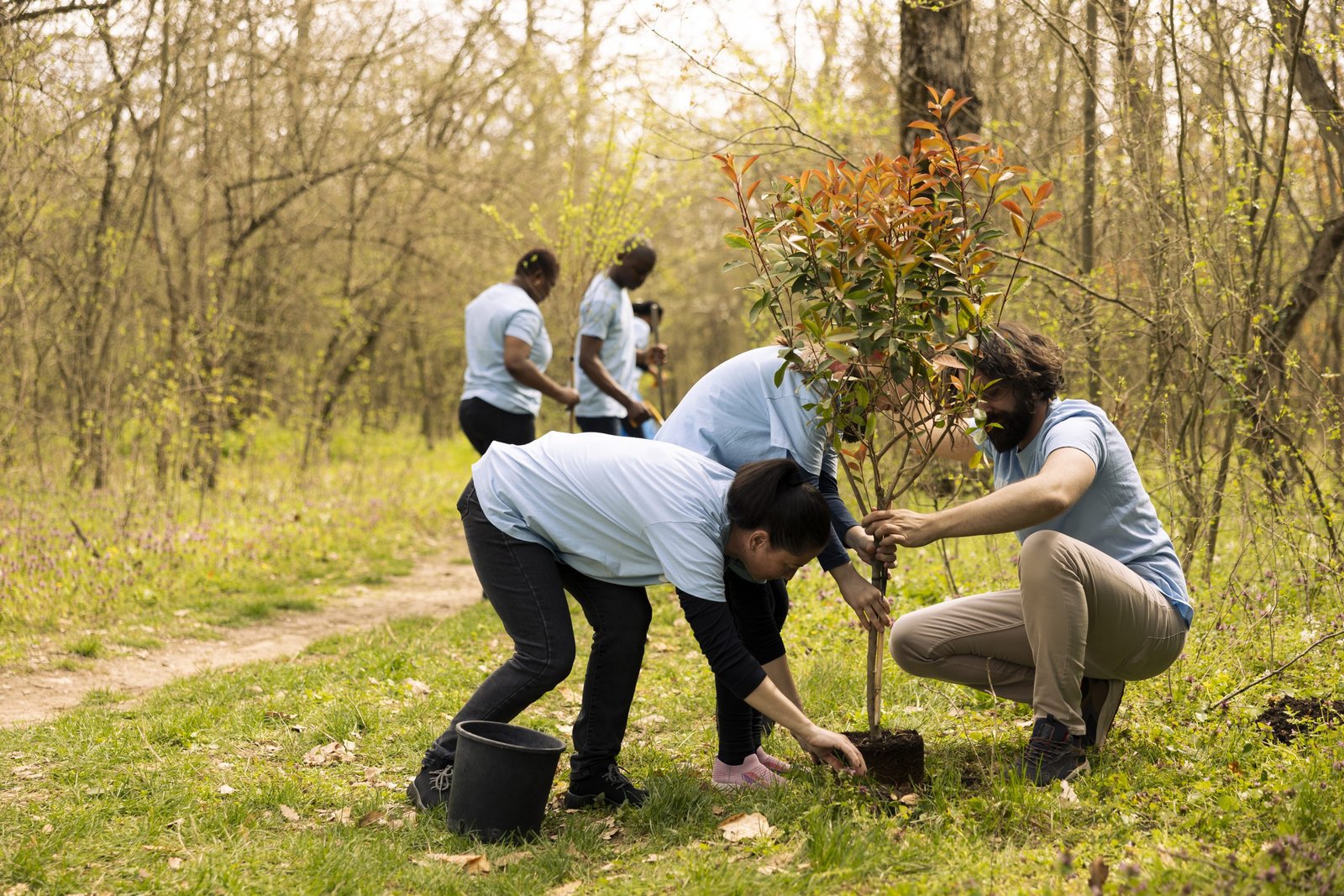
ARR projects focus on establishing new forests or restoring degraded land by planting trees and implementing soil conservation practices.
These activities involve planting trees on land that has not been previously forested, while also restoring previously forested areas that have been degraded. Reforestation focuses on restoring vegetation cover where it has been lost.
By increasing forest cover, ARR projects enhance carbon sequestration, improve soil health, and promote ecosystem resilience.
REDD+: Reducing Emissions from Deforestation and Forest Degradation
REDD+ projects work by implementing strategies to combat climate change through forest preservation and restoration.
These projects aim to reduce greenhouse gas emissions by preventing deforestation and degradation while promoting sustainable forest management and protection.
REDD+ also delivers local co-benefits including financial incentives to communities and biodiversity protection.
IFM: Improved Forest Management
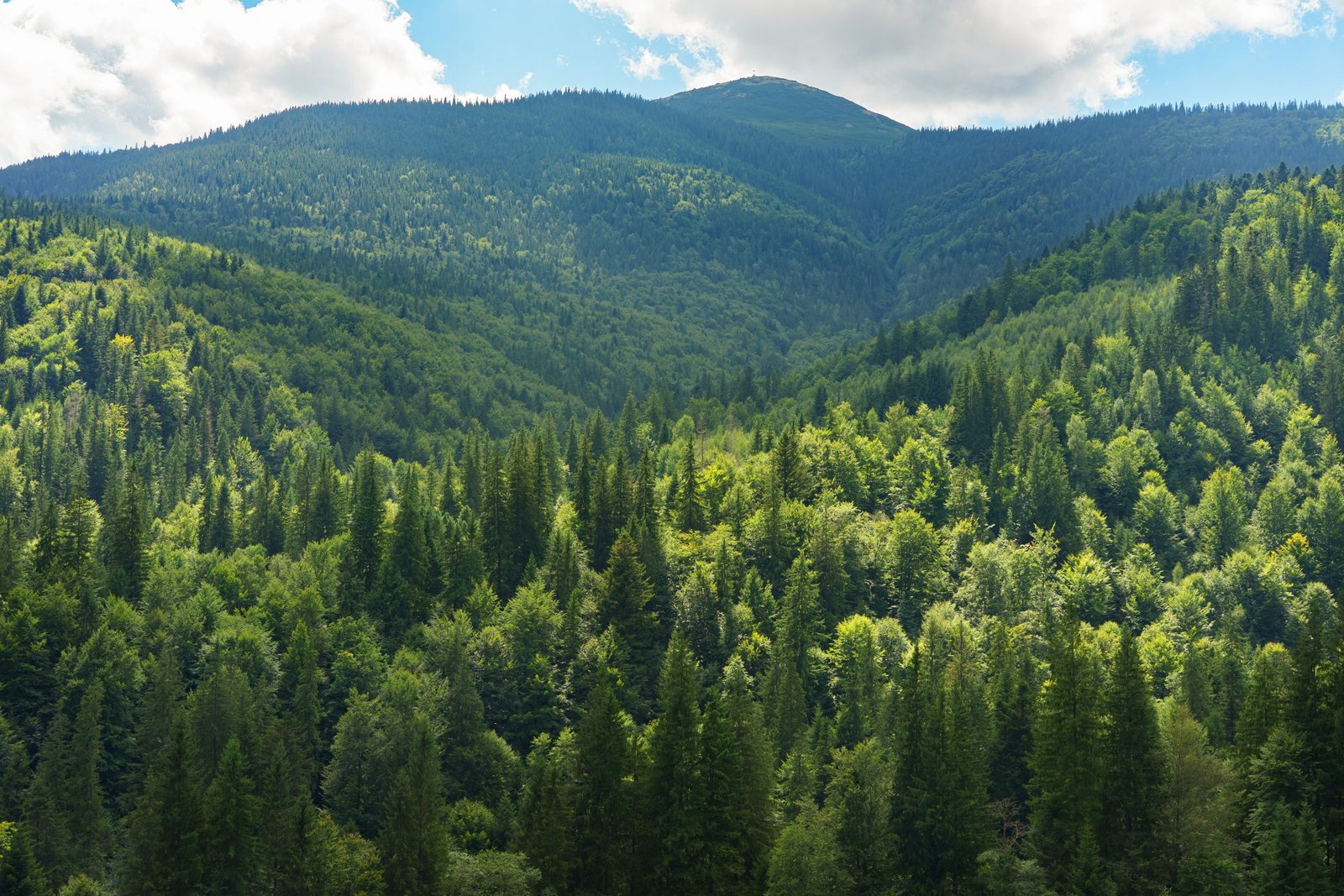
Improved Forest Management (IFM) projects improve existing forest management practices to maximize their CO₂ storage capacity.
This includes adopting sustainable logging practices, reducing degradation through prevention measures, and promoting stronger forest stewardship.
IFM projects can provide economic benefits through sustainable timber production and ecosystem services while improving ecological balance.
What are Forestry & Land Use Projects?
Bhuguard’s Forestry and Land Use projects are designed to promote the sustainable management and effective use of forest and land resources. These initiatives include agroforestry, forest restoration, responsible land-use planning, and other practices that support climate action and ecosystem protection.
Our approach helps balance environmental responsibility with social and economic value. By encouraging forest growth, limiting deforestation, and improving ecosystem resilience, these projects contribute to carbon avoidance, sequestration, and storage while protecting biodiversity and supporting long-term sustainability. We collaborate with local communities and key stakeholders to ensure meaningful impact and permanence.

Forest growth with long-term permanence
Protect ecosystems. Strengthen land resilience.
Ecological value with economic balance
We design land-use systems that support restoration, responsible planning, and measurable climate outcomes while creating practical value for communities and stakeholders.
Built to reduce risk and restore resilience
By reducing deforestation pressure and improving ecosystem health, these projects strengthen biodiversity, land productivity, and long-term environmental stability.
Afforestation
A combination of remote sensing and LiDAR-trained AI-ML satellite models estimates the biomass accurately at scale.
Data Collection
Farmers collect field-level data through digital tools and structured on-ground reporting.
- Geo-referenced farm and plantation boundaries are captured accurately.
- Field surveyors upload structured observations in a consistent format.
- Ground data becomes the base layer for downstream model validation.
Sustainable Development Goals